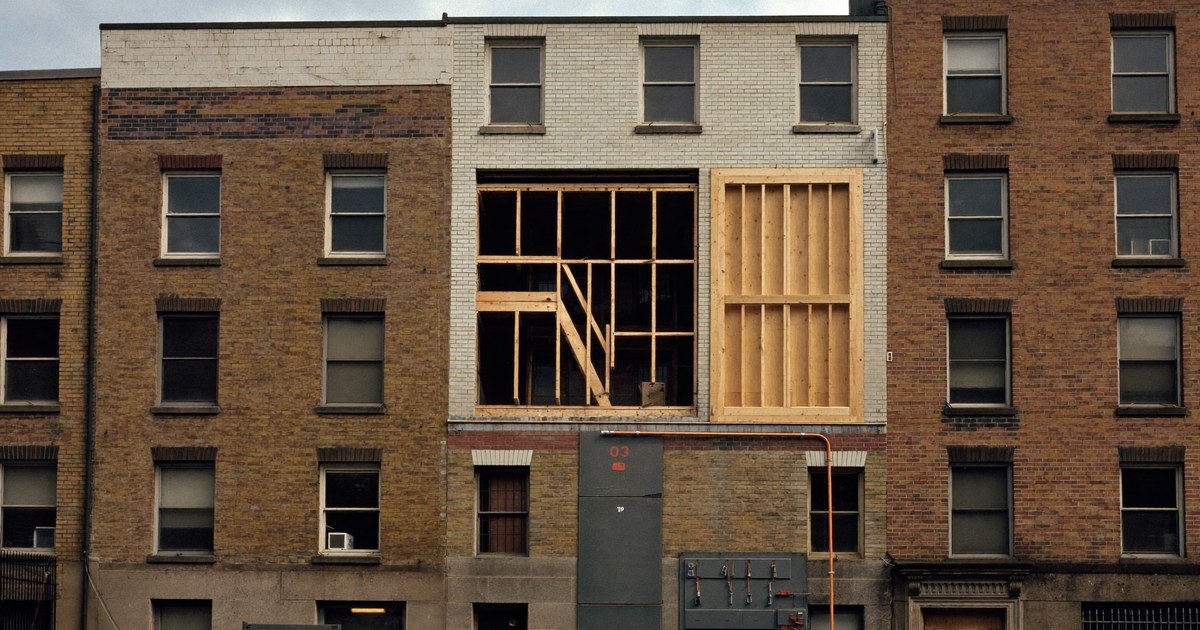
New Jersey has some of the oldest housing stock in the country. That fact sits quietly behind one of the most under-bought coverages on a landlord policy — ordinance or law — and it's the gap that turns a covered fire into a partly out-of-pocket rebuild.
The problem ordinance or law solves
Your base property policy pays to restore what was damaged, to the condition it was in before the loss. What it does not pay for is the cost of bringing the building up to current code during the rebuild. On an older NJ building, a permit pulled after a significant loss triggers today's code — new wiring, updated egress, structural and energy upgrades — applied even to undamaged portions of the building.
Three coverages, not one
| Coverage | Pays for |
|---|---|
| Coverage A | The value of the undamaged part you're forced to demolish. |
| Coverage B | The cost to demolish and remove that undamaged part. |
| Coverage C | The increased cost to rebuild to current code. |
A complete ordinance or law coverage placement includes all three. Many policies carry a token default sublimit that's far short of what an older building's upgrades actually cost.
A concrete NJ scenario
Who needs it most
Any older building, and especially older mixed-use and multifamily, where partial-loss demolition rules and code upgrades stack up fast. It's an inexpensive endorsement relative to the exposure — but only if the limits are sized to the building's age and construction, not left at the default.