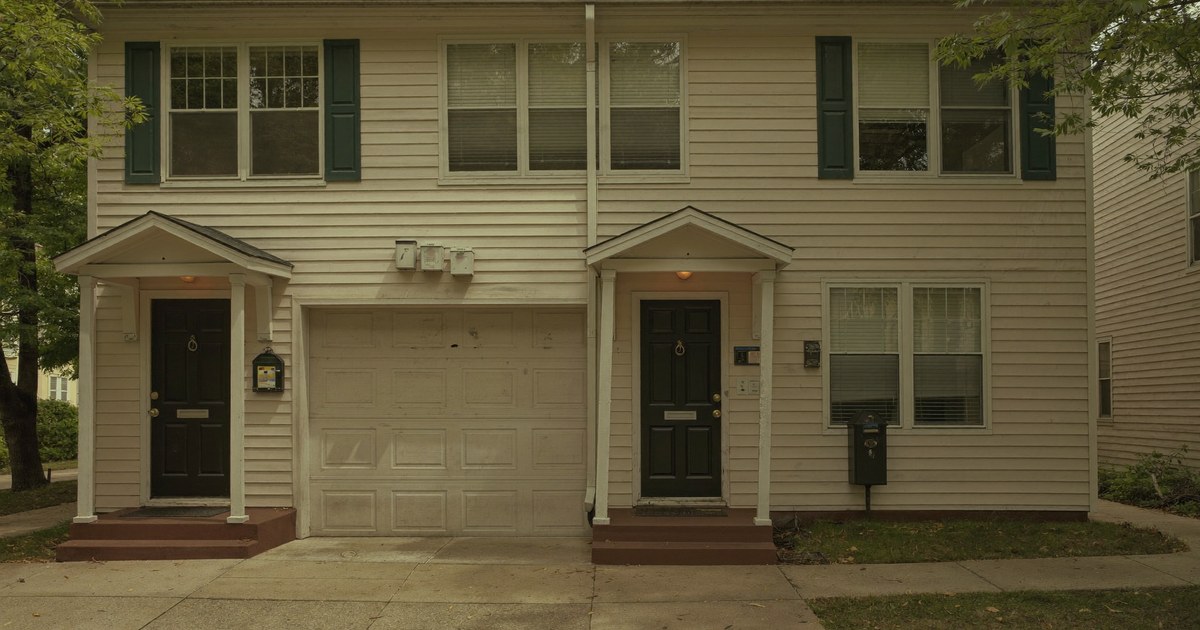
One of the most common — and most dangerous — mistakes a new landlord makes is keeping a homeowners policy on a house they've turned into a rental. The premium looks fine and the policy looks active, right up until a claim, when the carrier asks who lives there and the answer is "a tenant."
Why homeowners is the wrong product
A homeowners (HO-3) policy is written for an owner-occupant. It assumes you live in the home and insures your personal belongings, your liability as a resident, and additional living expenses for you. The moment the property is rented to someone else, the core assumption is false — and most homeowners forms either exclude or sharply limit coverage when the home isn't owner-occupied. File a claim on a rental under a homeowners policy and you risk a denial for material misrepresentation of occupancy.
What a dwelling fire policy does instead
A dwelling fire policy (the DP series) is built for non-owner-occupied 1–4 unit residential property. It insures the structure, your landlord-owned property (the appliances you provide), your landlord liability, and — critically — loss of rents, the income you lose when a covered loss makes the unit untenantable. It does not insure the tenant's belongings; that's the tenant's renter's insurance, which your lease should require.
The form within the form still matters
Switching to dwelling fire is step one. Step two is the form: DP-1, DP-2, or DP-3. The difference between them — named-peril vs. open-peril, actual cash value vs. replacement cost — is the difference between a paid claim and a depreciated one. We break that down in our DP-form guide.
What to do if you've been renting on a homeowners policy
Stop and re-place it. Send us the dec page and the property details; we'll move it to the correct dwelling-fire form, size the loss-of-rents limit to your actual rent, and add the liability and umbrella the rental needs. It's a fast change and it closes a gap most landlords don't know they're carrying.