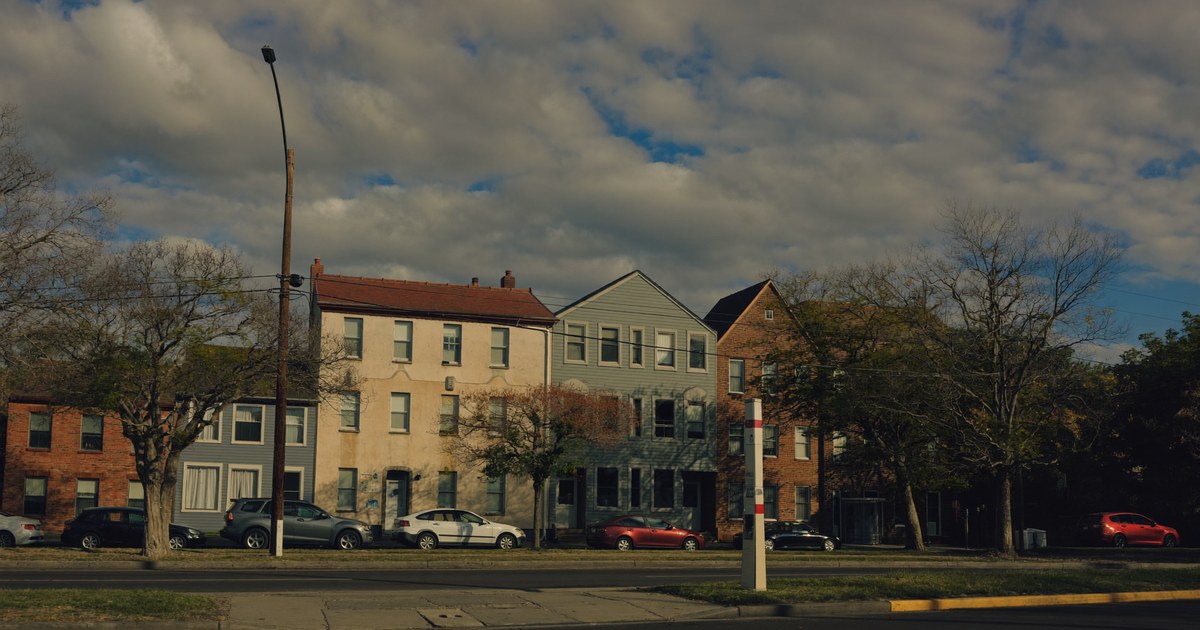
If you own rental property in New Jersey, your insurance is probably a patchwork — a dwelling-fire policy you bought when you closed on the first house, maybe a liability policy bought separately, and a loss-of-rents limit nobody's touched since. This guide walks the whole landscape: the coverage lines a NJ landlord actually needs, how property type changes the placement, and where New Jersey law shapes your exposure.
The nine coverage lines
A complete NJ landlord program draws from nine lines. Most landlords carry two and assume they're covered.
| Line | What it does |
|---|---|
| Dwelling Fire | The structure of 1–4 unit residential rentals. The form (DP-1/2/3) decides what's covered and how it pays. |
| Commercial Property | Buildings you lease — retail, office, industrial, mixed-use — with business income. |
| General Liability | Slips, falls, dog bites, habitability — third-party injury and damage. |
| Loss of Rents | Replaces rent while a covered loss makes a unit untenantable. |
| Umbrella | Excess liability over GL — the line that protects portfolio equity. |
| Equipment Breakdown | Mechanical failure of boilers, HVAC, elevators that property excludes. |
| Ordinance or Law | Code-upgrade costs on older NJ buildings after a loss. |
| Flood | Excluded from every property policy — coastal and inland NJ both flood. |
| Lessor's Risk Only | Property + liability for commercial landlords who lease to tenants. |
Property type changes everything
The same coverage line behaves differently depending on what you own. A single-family rental goes on a dwelling-fire form; a 5+ unit building crosses into commercial multifamily; a short-term rental needs coverage written for transient use because standard forms exclude it. Carrier appetite, underwriting, and coverage structure all shift by property type — which is why we work each one separately.
Where NJ law shapes your exposure
New Jersey has one of the most developed landlord-tenant frameworks in the country, and several statutes interact directly with your insurance: the Truth-in-Renting Act, the Anti-Eviction Act, the Consumer Fraud Act (with its treble-damages exposure), Lead Paint Disclosure obligations on pre-1978 housing, and the Security Deposit Act. The point isn't to memorize them — it's that your liability policy's exclusions should be read against them before you bind, not discovered after a claim. We cover this in depth in our piece on NJ landlord law and your liability.
The patchwork problem
The recurring failure mode isn't a missing coverage — it's a lack of coordination. Lines bought separately, in different years, from different agents, with limits that never get revisited. The loss-of-rents limit set against 2019 rents. The $1M GL with no umbrella over it. The DP-1 form that should have been a DP-3. None of these are exotic; they're what we find on most books that come to us for review. The fix is coordination: one intake, the whole stack, reviewed every renewal.
How to actually quote it
Pull your declarations pages for every property, note your current rents, and send them in one batch. A coordinated quote looks at the whole portfolio, routes each property to the carrier with the right appetite, sizes loss of rents to current rents, and puts an umbrella over the liability. Most quotes come back within 24–48 hours. That's the program — and it's the opposite of the patchwork.